Our skin is the most direct interface between the body and the world. And facial skin, in particular, is a reflection of our emotions, health, and daily habits. Many people tend to overlook the most fundamental step in skincare: cleansing. Do you also believe the misconception that cleansing simply means washing your face, and that a tight feeling afterwards means it’s “clean”? In truth, that idea of cleansing is long outdated.
In 2025’s skincare trends, “gentle yet effective cleansing” is no longer a supporting role—it is the foundation of an entire skincare regimen. It determines whether pores stay unclogged, whether skincare products can penetrate effectively, and whether your skin remains stable. True cleansing is not an aggressive purging process, but a respectful and rhythmic conversation with your skin. Only when your face is no longer weighed down by excess sebum, oxidized makeup, and environmental pollutants can it truly breathe freely.
1. The Essence of Cleansing: Not “Removing” but “Awakening”
Cleansing is often misunderstood as a simple face-washing step, but in reality, it carries much deeper meaning. Proper cleansing should help the skin achieve three things:
- Removing buildup: Sebum, sweat, and dead skin cells can accumulate over time. Without thorough cleansing, they clog pores and cause breakouts.
- Eliminating external pollutants: PM2.5, car exhaust, and heavy metal particles in the air can adhere to skin and trigger inflammation.
- Relieving skin stress: When the surface is clear and the skin’s oil-water balance is stable, it can better absorb subsequent skincare products.
In other words, cleansing is not merely a process of “taking away,” but rather a “deep breath in the morning” that reboots the skin.
2. Cleansing Logic for Different Skin Types: Not “Cleaner is Better” but “Better Fit is Better”
Each skin type has different needs when it comes to cleansing. The wrong approach may not only be ineffective, but also harmful over time.
Oily/Combination Skin: Control Sebum, Don’t Strip It
Characteristics: Shiny T-zone, prone to acne, enlarged pores
Common Mistakes: Frequent use of strong cleansers or scrubs; washing the face three times a day
Best Practices:
- Use low-foam yet effective amino acid-based cleansers; avoid soap-based formulas
- Use different products for morning and night: gentle in the morning, deep cleansing at night
- Apply a deep-cleansing mask once a week to help unclog pores and absorb oil
Recommended Products:
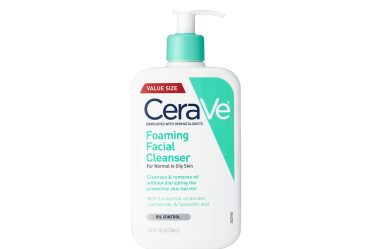
CeraVe Foaming Cleanser (refreshing but non-drying)
La Roche-Posay Effaclar Purifying Foaming Gel (gentle choice for acne-prone skin)
Dry Skin: Hydration Is the Base of Cleansing
Characteristics: Tightness, flakiness, itching
Common Mistakes: Using heavy-duty makeup removers without proper rinsing, or skipping cleansing altogether
Best Practices:
- Use cream or lotion-type cleansers instead of foaming types that may strip too much oil
- Rehydrate immediately after cleansing to preserve the skin barrier
- Choose cleansers with moisturizing ingredients like ceramides and glycerin
Recommended Products:
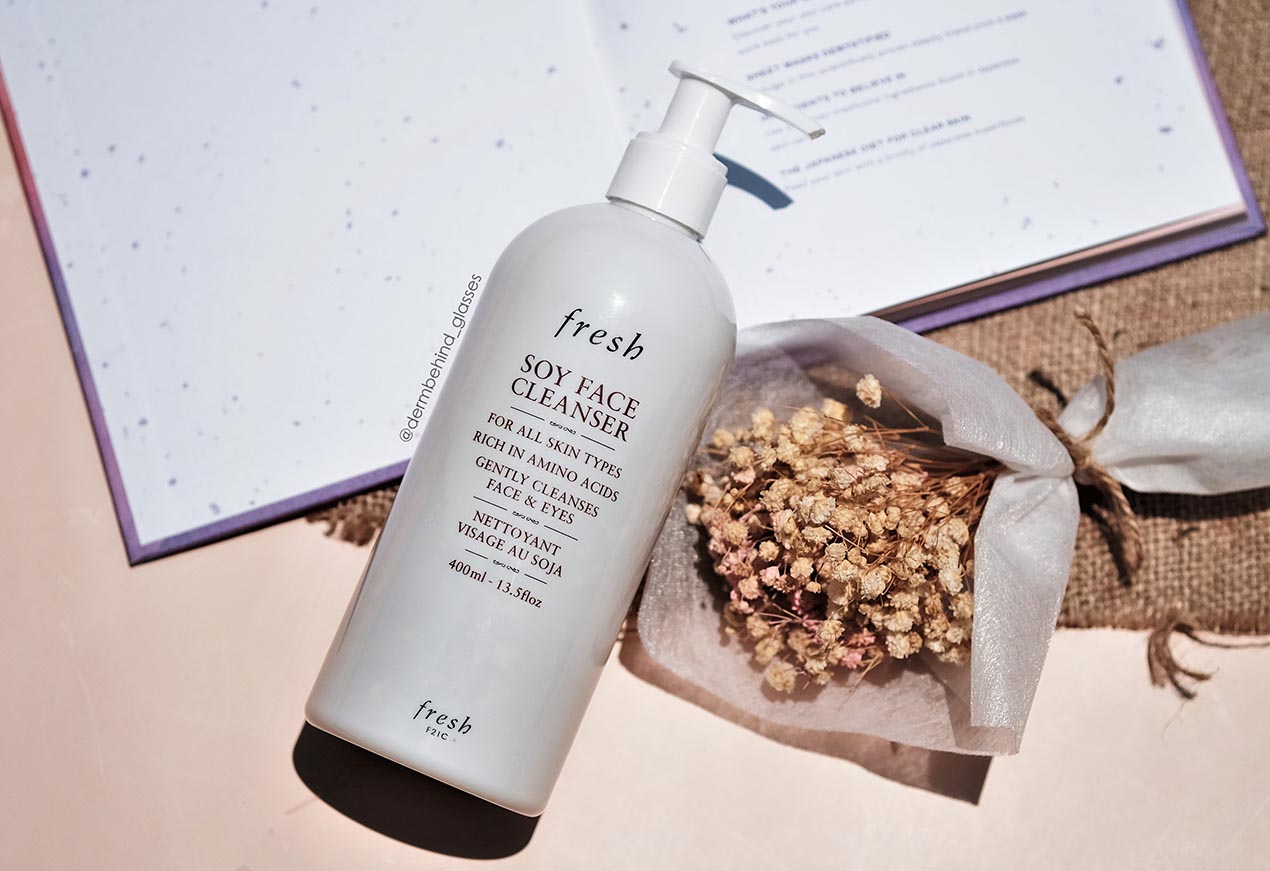
Fresh Soy Face Cleanser (gentle and hydrating)
The Ordinary Squalane Cleanser (nourishing formula ideal for winter use)

Sensitive Skin: Cleansing Is the Start of Repair
Characteristics: Redness, stinging, poor tolerance
Common Mistakes: Rubbing too hard, using scrubs or acidic cleansing waters
Best Practices:
- Use fragrance-free, alcohol-free, pH-neutral cleansers
- Avoid hot water—lukewarm is ideal
- Use disposable cotton pads or cleansing towels to reduce towel friction
Recommended Products:
Avène Extremely Gentle Cleanser Lotion (leave-on French pharmacy favorite)
Bioderma Sensibio Gel Moussant (soothing formula that strengthens the barrier)
Mature Skin: Cleansing Is the First Step of Anti-Aging
Characteristics: Dullness, sagging, fine lines
Common Mistakes: Skipping proper makeup removal or relying on wipes, leaving residue behind
Best Practices:
- Always follow a double-cleansing routine (makeup removal + face wash)
- Choose products with peptides, Q10, or coenzyme ingredients to prevent aging
- Gently exfoliate once a week with enzyme-based products to promote cell renewal
Recommended Products:
Elemis Pro-Collagen Cleansing Balm (luxurious texture, nourishing and effective)
Oskia Renaissance Cleansing Gel (enzyme-powered warm gel, ideal for mature skin)
3. Makeup Removal Is the First Half of Cleansing—Never Skip or Rush It
Makeup itself isn’t harmful, but improper removal definitely is. Especially in the UK’s unpredictable weather, when pollution and makeup residue combine, clogged pores and blackheads can easily develop.
Proper Makeup Removal Tips:
- Eye and lip zones first: Use a dedicated remover, soak a cotton pad, and press for 30 seconds before wiping.
- Double cleansing for the face: Start with a cleansing balm or oil to dissolve makeup, then follow up with a gentle cleanser.
- Cleansing oils won’t clog pores if emulsified properly—they’re actually more thorough and less abrasive than micellar water.
- Don’t take too long: Aim to complete your makeup removal within five minutes to avoid damaging your skin barrier.
Recommended Products:
Banila Co Clean It Zero (balm cleanser perfect for dry skin)
DHC Deep Cleansing Oil (olive oil-based, high performance)
Bioderma Micellar Water (gentle and irritation-free, great for sensitive skin)
4. Advanced Cleansing: How to Properly Use Cleansing Devices and Tools
In the UK, more and more consumers are investing in deeper skincare experiences, and cleansing tools are gaining popularity. But improper use can lead to adverse effects.
Guidelines for Cleansing Tools:
- Limit use to 2–3 times a week
- Choose soft bristles to avoid damaging the stratum corneum
- Do not combine with exfoliating products
- Always clean the brush head after use to prevent bacterial buildup
Recommended Devices:
Foreo Luna 4 (sonic cleanser, brushless and gentle)
PMD Clean (silicone brush head, travel-friendly design)

5. Are You Falling for These Cleansing Myths?
- The hotter the water, the cleaner the face?
Hot water strips natural oils and dries out skin. Lukewarm water is best. - Tightness after cleansing = clean skin?
That tight feeling is actually a sign of barrier damage—not a goal. - More cleansing = fresher skin?
Over-washing can cause rebound oiliness. Once in the morning and once at night is enough. - Wiping with cotton pads is faster?
Friction weakens the skin barrier and can lead to pigmentation.
6. The First Step After Cleansing: Let Your Skin “Drink Warm Water”
After cleansing, the skin is at its most absorbent. This is the ideal time for hydration:
- Use a mist followed by gentle patting to help restore pH balance
- Opt for toners with soothing ingredients like hyaluronic acid or centella asiatica
- For barrier-compromised skin, consider using a serum or essence as your first product
Recommended Products:
La Roche-Posay Thermal Spring Water (French thermal mist, soothing)
Klairs Supple Preparation Toner (hydrating and balancing toner)
Avene Hydrance Serum (great for dry, sensitive skin)
7. True Cleansing Teaches Your Skin to Breathe Deeply
In a fast-paced, information-heavy world, our skin bears the brunt of external stress. Cleansing is not a redundant ritual—it is a daily detox for your face.
When we choose the right products and apply scientific methods to cleanse gently, we’re also sending ourselves a message: I am worth the effort. You may not wear a flawless makeup look every day, but you deserve skin that can breathe freely every day. True beauty starts from clarity and comfort.